
Healthy skin tells a story about care, habits, and time. Many people look for treatments that refresh skin without surgery or long recovery periods. Microneedling has become a popular option for that reason. Dermatology clinics across the United States report growing demand for this treatment.
According to stats, minimally invasive cosmetic procedures increased by more than 40% over the past decade. Microneedling helps the skin repair itself through natural healing. This process improves tone, texture, and firmness.
Understanding how it works and who benefits most helps patients make informed choices about treatment. That is something we will be focusing on in this article. It will provide you with a comprehensive idea about what microneedling is all about.
Microneedling: How It Works
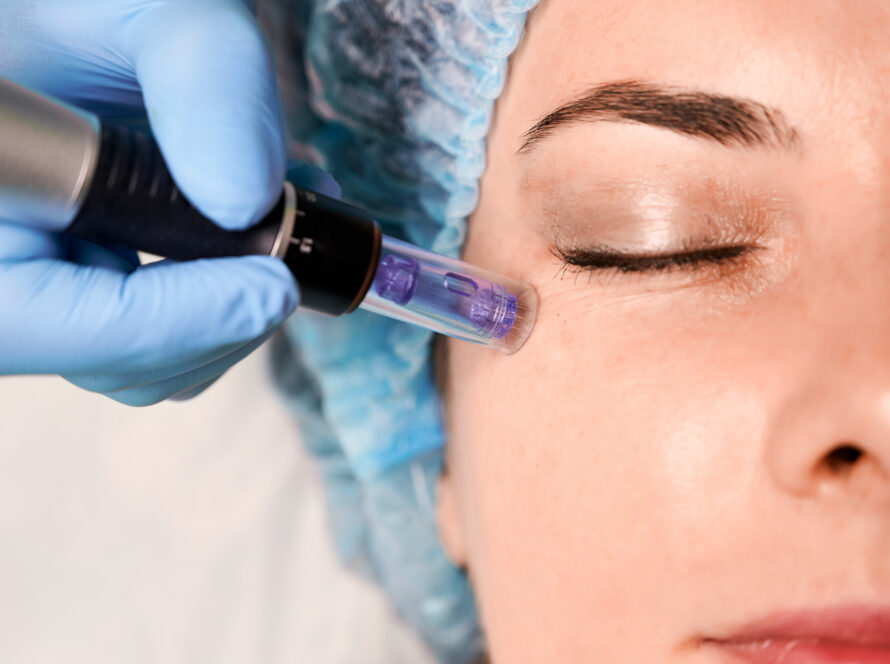
Microneedling uses a handheld device that contains many fine needles. These needles create tiny punctures in the outer layer of the skin. The body responds by starting a healing process. That reaction increases collagen and elastin production. Here is how each stage supports visible skin improvement.
The Process
A licensed provider begins by cleansing the skin. A numbing cream often sits on the treatment area for about thirty minutes. The microneedling device then moves across the skin in several passes. Each pass creates controlled micro-injuries that remain very shallow.
These tiny channels stimulate the skin to repair itself. Most sessions take thirty to sixty minutes. Research explain that collagen production naturally slows after age twenty-five. Microneedling helps restart that process through controlled stimulation.
Patients often notice smoother texture within several weeks. Many people explore the microneedling benefits for skin after learning how this simple process encourages natural repair.
Healing Cascade
The body responds to the tiny punctures by triggering a healing cascade. Blood flow increases quickly around the treated area. Platelets release growth factors that encourage tissue repair. Collagen fibers start forming under the skin surface. This stage supports long-term improvement in texture and firmness.
Collagen forms the structure that keeps skin strong and elastic. Microneedling stimulates that structure to rebuild gradually. The healing cascade continues for several weeks after treatment.
That ongoing repair is why results often appear slowly instead of overnight. Many dermatologists value this process because it works with the body rather than forcing quick cosmetic changes.
Improved Texture
Skin texture improves as new collagen develops under the surface. The new fibers support smoother and stronger skin. Rough areas soften as the healing process fills small depressions. Acne scars and uneven patches often look less noticeable.
Dermatology researchers at Stanford University report that collagen remodeling can continue for up to three months after treatment. This steady rebuilding phase improves skin tone gradually. Patients often notice fewer rough spots during this time.
The improvement feels natural because the skin produces its own support structure. Many people choose microneedling after noticing a dull texture that creams and serums fail to address.
Enhanced Product Absorption
Microneedling also helps skincare products penetrate deeper into the skin. The tiny channels created during treatment allow topical serums to move past the outer barrier. Dermatologists often apply vitamin C or hyaluronic acid after the procedure.
These ingredients support hydration and repair during the healing stage. According to the National Institutes of Health (NIH), microchannels created during microneedling can increase topical absorption significantly. That means skincare ingredients work more effectively during the hours following treatment.
Patients often notice brighter skin within days. Clinics frequently pair microneedling with specialized serums for stronger results. This combination helps people experience the full range of microneedling benefits for skin.
Key Benefits
Microneedling attracts attention because it addresses many skin concerns with a single treatment. The process encourages natural repair without surgery. Dermatologists recommend it for patients who want smoother and brighter skin. The following benefits explain why this treatment appears in many modern skincare plans.
Reduces Scars and Marks
Scars often form after the skin heals unevenly. Acne, injuries, or inflammation can leave visible marks that stay for years. Microneedling encourages new collagen growth beneath these scars. The new tissue fills uneven areas and softens their appearance.
Dermatologists often suggest microneedling for acne scars because it works well for different scar types. Rolling scars and shallow depressions often respond best. Improvement appears gradually as the skin rebuilds. Many patients report smoother skin texture after a full treatment plan.
Diminishes Aging Signs
Fine lines develop as collagen production slows with age. Sun exposure and environmental stress often accelerate this change. Microneedling stimulates new collagen that strengthens the skin structure. This process softens wrinkles around the eyes and mouth.
Increased collagen often leads to a smoother appearance. Many adults explore microneedling for fine lines after noticing early wrinkles. The treatment supports gradual improvement without injections or surgery. Lines appear less visible after repeated sessions. Skin also looks firmer and more refreshed over time.
Minimizes Pores
Large pores can make skin appear uneven. Excess oil and loss of elasticity often stretch pore openings. Microneedling strengthens the surrounding skin structure through collagen production. Stronger tissue helps tighten the pore walls slightly. The result creates a smoother appearance across the skin surface.
Dermatologists often combine microneedling with gentle exfoliation for this reason. Research from the American Academy of Dermatology (AAD) indicates that improved collagen support can reduce visible pore size. Many patients report smoother skin texture within weeks. While pores never disappear entirely, they often look smaller and less noticeable after treatment.
Safe for All Skin Tones
Some cosmetic procedures carry risks for darker skin tones. Certain lasers may cause pigment changes after treatment. Microneedling works differently because it does not use heat or intense light. The needles create controlled mechanical stimulation instead.
This approach lowers the risk of pigment changes in many patients. Dermatologists often recommend microneedling for individuals with deeper skin tones. Careful technique still matters for safety. Experienced providers adjust needle depth and speed for each patient.
Minimal Downtime
Many patients choose microneedling because recovery remains relatively short. The skin often looks slightly red after treatment. That redness usually fades within one or two days. Some people experience mild dryness or tightness. These reactions appear as part of the natural healing process.
Dermatologists often describe the recovery time for microneedling as short compared with other cosmetic procedures. The American Society for Dermatologic Surgery (ASDS) explains that many patients return to normal routines within twenty-four to forty-eight hours. Gentle skincare supports recovery during this period. Sun protection also remains important after treatment.
Who Should Try It (And Who Shouldn’t)
Microneedling suits many individuals who want gradual improvement in skin texture and tone. Still, it does not fit every situation. Dermatologists evaluate each patient before treatment begins. Medical history and skin conditions influence the decision. Let’s go over the factors to understand who benefits most and who should avoid the procedure.
Ideal Candidates
Ideal candidates usually have mild to moderate skin concerns. Acne scars, uneven texture, and fine lines respond well to microneedling. Adults who want improvement without surgery often choose this option. Healthy skin without active infections works best for treatment.
Dermatologists also evaluate expectations before recommending a session. The goal focuses on gradual improvement rather than instant change. Many patients explore microneedling benefits for skin after noticing dull or uneven tone.
People with stable skincare routines also tend to achieve better results. Consistent sun protection and hydration support the healing process after treatment.
Conditions to Avoid
Certain skin conditions may worsen after microneedling. Active acne outbreaks increase the risk of irritation. Skin infections or open wounds must heal before treatment begins. Dermatologists often delay sessions for patients with severe eczema or psoriasis flare-ups.
These conditions can become aggravated by the needle punctures. Careful evaluation prevents complications. According to the National Institutes of Health (NIH), active inflammatory skin disease increases risk during cosmetic procedures.
Patients should discuss all skin concerns with a licensed professional. Honest communication helps determine whether treatment should wait until the skin stabilizes.
Contraindications
Some medical conditions prevent safe microneedling treatment. Individuals with bleeding disorders may experience excessive bruising. Certain autoimmune diseases also affect the healing process. Dermatologists often avoid microneedling for patients with active skin cancer or suspicious lesions.
Medical clearance sometimes becomes necessary before treatment begins. Safety remains the priority in dermatology procedures. Clinics usually review medical history forms carefully during consultation.
This screening helps identify possible risks early. Patients should always share complete health information before scheduling a session. Careful planning reduces complications and improves results.
Medication Precautions
Some medications increase sensitivity during microneedling. Blood-thinning drugs may raise the chance of bruising. Certain acne medications also influence skin healing. Isotretinoin often requires a waiting period before cosmetic procedures.
Dermatologists typically review medication lists before treatment begins. Patients should follow the provider’s instructions about stopping certain drugs temporarily. This step helps reduce irritation and other complications.
Clinics also discuss potential microneedling side effects during the consultation process. Clear guidance ensures safe preparation before the appointment.
What to Expect
Patients often feel more comfortable after learning how a treatment session unfolds. Microneedling appointments follow a clear sequence from preparation to recovery. Understanding the timeline helps reduce anxiety before the procedure. To give you a better idea, here is what the typical experience during and after treatment will look like.
Procedure Time
Most microneedling sessions remain relatively short. A typical appointment lasts between thirty and sixty minutes. Preparation takes additional time because numbing cream must sit on the skin first. Providers divide the treatment area into sections during the procedure. The device moves across each area in several passes. This method ensures even stimulation across the skin.
Many clinics schedule appointments during lunch breaks for convenience. Dermatology practices often treat the face, neck, or chest in one session. Larger areas may require longer appointments. The treatment process feels structured and controlled from start to finish.
Pain Level
Microneedling causes mild discomfort for most patients. The numbing cream applied before treatment reduces sensitivity. Patients often describe the sensation as light scratching across the skin. Some areas feel more sensitive than others. The forehead and nose may cause slight tingling during treatment.
Providers adjust needle depth to maintain comfort and safety. Communication during the session helps address discomfort quickly. Dermatology clinics monitor patient reactions closely. Most people tolerate the treatment without difficulty. Mild redness appears afterward, similar to a sunburn. That reaction usually fades within one or two days.
Results
Results from microneedling develop gradually over several weeks. Collagen production continues after the skin heals. Many patients notice a smoother texture and brighter tone during this period. Early improvement often appears within two weeks. More visible changes develop after repeated sessions.
Collagen remodeling may continue for several months following treatment. Patients often feel encouraged as the skin becomes firmer and clearer. Dermatologists recommend patience during this stage. Natural healing requires time to produce noticeable changes. Consistent skincare also supports long-term improvement.
Number of Sessions
Most patients need multiple sessions to achieve strong results. Dermatologists often recommend three to six treatments spaced about four weeks apart. This schedule allows the skin to heal between sessions. Acne scars and deeper wrinkles sometimes require additional appointments.
Treatment plans vary depending on skin condition and goals. Clinics usually evaluate progress after each session. Adjustments may occur as improvement develops. Patients often appreciate the gradual nature of treatment. Slow progress often leads to natural-looking results. Providers also discuss expected recovery time for microneedling during the planning stage.
Microneedling for Acne Scars: How Effective Is It for Smoother, Clearer Skin?
Acne scars can stay long after breakouts fade. Many patients search for treatments that restore smooth texture without surgery. Dermatologists often recommend microneedling for acne scars because it encourages natural collagen repair. Here is how this treatment improves scarred skin and what results patients can realistically expect.
Types of Acne Scars That Respond Best
Acne scars appear in several forms. Rolling scars and shallow boxcar scars often respond well to microneedling treatments. These scars develop when collagen loss leaves small depressions in the skin. Microneedling stimulates collagen production beneath these areas.
The skin slowly lifts as new tissue forms. Dermatologists frequently suggest microneedling for acne scars because the process improves surface texture without removing skin layers. Deep ice-pick scars may require additional procedures along with microneedling.
The American Academy of Dermatology (AAD) reports that acne affects up to 50 million Americans each year. Many individuals explore microneedling after acne leaves visible marks.
Collagen Remodeling for Scar Repair
Collagen remodeling sits at the center of scar improvement. Microneedling creates tiny channels that activate the body’s natural repair response. Fibroblast cells begin producing fresh collagen fibers. These fibers slowly fill depressed scars and strengthen surrounding tissue.
The improvement develops gradually over several weeks. Patients often notice smoother skin after several sessions. Dermatologists emphasize patience because the body requires time to rebuild damaged tissue beneath the skin surface.
Treatment Sessions for Acne Scars
Acne scars usually require a series of treatments for visible improvement. Dermatologists often recommend four to six sessions spaced about four weeks apart. This schedule allows the skin to heal fully before the next session begins.
Patients often ask, “How long does microneedling take?” during each visit. Most facial treatments last about forty minutes once the numbing cream takes effect. Larger treatment areas may require additional time. Providers adjust needle depth depending on scar severity.
Careful planning ensures safe treatment while encouraging steady improvement in texture and tone. Many patients also ask, “Is microneedling painful?” before beginning treatment, and most discover the sensation remains mild because numbing cream reduces discomfort.
Expected Skin Changes Over Time
Skin improvements develop gradually after each session. Early changes often include smoother texture and mild brightening. Deeper scar reduction appears later as collagen rebuilds under the skin. Dermatologists often discuss what to expect after microneedling during consultation visits.
Redness may appear for a short period after treatment. That redness usually fades within one or two days. Over the following weeks, patients notice firmer and more even skin. Dermatologists often explain again what to expect after microneedling
This helps patients understand that scar improvement appears slowly as collagen strengthens beneath the surface. According to dermatology studies cited by the National Library of Medicine (NIH), many patients report noticeable scar reduction after several treatments.
Combining Treatments for Better Results
Some dermatologists combine microneedling with other therapies to enhance scar improvement. Platelet-rich plasma treatments sometimes accompany microneedling sessions. Chemical exfoliation or laser therapy may also support deeper scar repair.
Providers choose these combinations carefully based on individual skin needs. Microneedling remains the central treatment in many plans. Patients often appreciate its natural healing approach. The gradual rebuilding process improves texture while preserving the skin barrier. These results explain why microneedling for acne scars remains one of the most recommended treatments in dermatology clinics.
Microneedling for Hyperpigmentation: Can It Fade Dark Spots and Uneven Tone?
Dark spots and uneven tone often develop after sun exposure or inflammation. Many patients search for treatments that improve pigmentation without harsh chemicals. Dermatologists often recommend microneedling for hyperpigmentation because it stimulates skin renewal. Let’s explain how this treatment improves tone and brightness over time.
Causes of Hyperpigmentation
Hyperpigmentation develops when the skin produces excess melanin. Sun damage, acne, and hormonal shifts often trigger this change. Dark patches can appear on the cheeks, forehead, or upper lip. The American Academy of Dermatology (AAD) reports that sun exposure remains the most common cause of pigmentation changes.
Many patients struggle to fade these spots with creams alone. Dermatologists sometimes recommend microneedling for hyperpigmentation because it encourages skin renewal from within. The process supports gradual improvement instead of sudden peeling or irritation.
Skin Renewal and Pigment Balance
Microneedling promotes skin turnover by stimulating controlled healing. New skin cells gradually replace damaged ones that contain excess pigment. Collagen production also strengthens the skin barrier during this process.
Dermatology research from the National Institutes of Health (NIH) explains that controlled micro-injury can improve uneven pigmentation through regeneration.
This process takes time because new skin layers must develop gradually. Patients often notice brighter skin after several weeks. Dermatologists often pair microneedling with vitamin C or brightening serums to support pigment balance.
Treatment Timeline for Pigmentation
Pigmentation concerns often improve after several microneedling sessions. Dermatologists commonly recommend three to five treatments for visible changes. Each appointment usually lasts under an hour. Patients frequently ask, “How long do microneedling results last?” after treatment ends.
Results often remain visible for several months when proper skincare continues. Dermatologists also explain how long microneedling results last, which often depends on sun protection habits and consistent skincare routines. Sun protection plays an important role in maintaining improvement. Without sunscreen, pigmentation may return over time.
Post-Treatment Skin Changes
Patients often notice mild redness after microneedling sessions. The skin may also feel slightly tight or dry for a short period. Dermatologists explain what to expect after microneedling before treatment begins. Gentle cleansing and moisturizing help the skin recover quickly.
Sun protection remains essential during the healing phase. Dermatology experts report that visible brightness often appears within two to three weeks. The improvement continues gradually as the skin renews itself.
Supporting Results with Skincare
Consistent skincare helps extend the results of microneedling treatments. Dermatologists often recommend gentle cleansers and hydrating serums. Vitamin C and niacinamide products support even tone after treatment. Strong exfoliants should remain limited during the healing stage.
This routine protects the new skin layers forming after treatment. Patients often continue treatment because the microneedling benefits for skin extend beyond pigmentation improvement and support a smoother texture and healthier tone. Proper skincare helps maintain the improvement created by microneedling for hyperpigmentation.
Microneedling for Fine Lines: How It Helps Reduce Wrinkles and Improve Skin Firmness
Fine lines appear gradually as collagen production slows. Sun exposure and environmental stress often accelerate this change. Many individuals search for treatments that refresh skin without surgery. Dermatologists often recommend microneedling for fine lines because it encourages natural collagen renewal.
Why Fine Lines Develop
Fine lines develop when collagen fibers weaken over time. The skin becomes thinner and less elastic. Facial expressions also create repeated creases that deepen with age. Collagen production decreases as people grow older.
Environmental factors such as sunlight and pollution can accelerate this change. Many adults notice early lines around the eyes or mouth first. Dermatologists often suggest microneedling for fine lines because the treatment stimulates new collagen growth beneath these areas.
Collagen Stimulation for Firmer Skin
Microneedling activates fibroblast cells responsible for producing collagen and elastin. These proteins strengthen the skin structure. As new fibers form, the skin becomes firmer and smoother. This rebuilding process develops slowly over several weeks.
Dermatology research cited by the National Institutes of Health (NIH) reports increased collagen production after controlled micro-injury. Patients often notice a gradual improvement in wrinkle depth during this period.
Areas Commonly Treated
Microneedling works well on several facial areas that show early aging signs. Crow’s feet near the eyes often respond well to treatment. Lines around the mouth may soften as collagen increases.
Some dermatologists also treat the neck and chest using the same method. These areas often reveal aging changes early. Providers adjust needle depth depending on skin thickness in each region.
Treatment Frequency for Wrinkle Reduction
Wrinkle improvement usually requires several microneedling sessions. Dermatologists often recommend three to six treatments spaced about a month apart. Many patients ask how long microneedling takes for each appointment.
Providers explain that most sessions last between thirty and sixty minutes, depending on the treatment area. Patients frequently ask how long microneedling results last after completing a treatment series. Results often remain visible for many months.
Long-Term Skin Improvement
Microneedling encourages steady skin renewal rather than dramatic overnight change. Patients often notice gradual smoothing of fine lines during the months following treatment. Skin tone also appears brighter and healthier. Dermatologists explain what to expect after microneedling so patients understand the timeline. Redness fades quickly while greater improvements develop slowly.
Chemical Peel vs Microneedling: Which Skin Treatment Delivers Better Results?
Many patients compare cosmetic treatments before deciding on one. The discussion around chemical peel vs microneedling often appears in dermatology consultations. Each procedure improves skin texture differently. Understanding these differences helps patients select the most suitable treatment.
How Chemical Peels Work
Chemical peels remove the outer layer of skin using exfoliating acids. This process encourages new skin cells to replace damaged ones. Peels can improve dull tone and mild discoloration. Dermatologists adjust the strength of the acid depending on the skin concern.
How Microneedling Differs
Microneedling improves the skin without removing surface layers. Tiny needles stimulate collagen production under the skin. The surface barrier remains mostly intact during treatment. This difference explains why the recovery time for microneedling often remains shorter than that of stronger chemical peels.
Downtime and Recovery Comparison
Downtime remains a key factor in the discussion around chemical peel vs microneedling. Mild chemical peels may require only a few days of recovery. Deeper peels sometimes involve longer healing periods. Microneedling typically produces redness that fades within forty-eight hours.
Choosing the Right Treatment
Dermatologists evaluate several factors before recommending a treatment. Skin type, concerns, and lifestyle all influence the decision. Some patients benefit more from chemical peels while others respond better to microneedling.
Combining Both Procedures
Some dermatologists combine both treatments within long-term skincare plans. Microneedling sessions may alternate with gentle chemical peels. This strategy encourages steady skin renewal from multiple angles.
Microneedling vs Botox: Key Differences, Results, and Who Each Treatment Is Best For
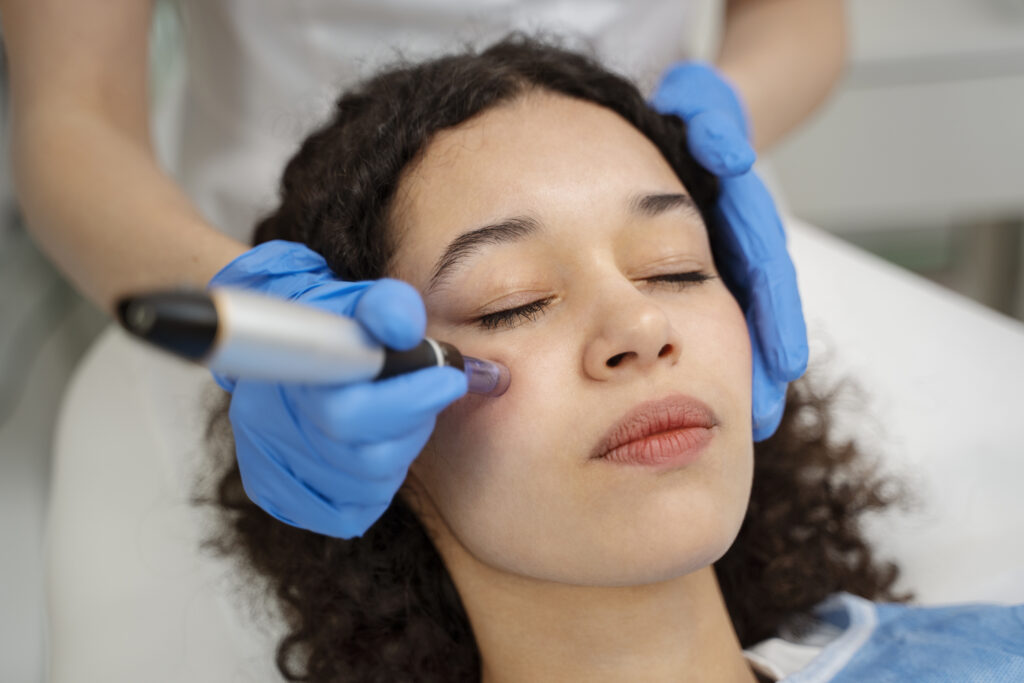
Microneedling and Botox appear frequently in cosmetic discussions. Both treatments improve facial appearance in different ways. Here is how they are different. It helps patients choose the option that fits their goals.
How Botox Works
Botox works by relaxing specific facial muscles. These muscles create expression lines during smiling or frowning. The medication temporarily reduces muscle movement in the treated area.
How Microneedling Targets Skin Quality
Microneedling focuses on improving skin structure rather than muscle movement. The treatment stimulates collagen production beneath the surface. Patients interested in microneedling benefits for skin usually want gradual improvement in overall skin quality.
Treatment Experience and Comfort
Patients often ask if microneedling is painful before scheduling a session. Most providers apply numbing cream before treatment begins. This step reduces discomfort significantly.
Duration of Results
Botox results usually last three to four months before muscle movement returns. Microneedling results develop gradually and may remain visible longer. Many patients ask how long microneedling results last during consultations.
Choosing Between the Two
The decision between microneedling and Botox depends on treatment goals. Dermatologists also review during consultations who should avoid microneedling, especially patients with active infections or inflammatory skin conditions. Safety and medical history guide the final recommendation.
Final Words
Microneedling offers a natural way to improve skin texture, tone, and firmness through collagen renewal. Patients appreciate its gradual results and short recovery period. Consistent treatments support long-term improvement.
MedComplete provides professional guidance and personalized treatment plans that help patients achieve smoother and healthier skin with confidence.
FAQs
Is microneedling painful?
Many patients ask if microneedling is painful before booking an appointment. Providers usually apply numbing cream before treatment begins. This cream reduces discomfort significantly. Most patients describe the sensation as mild scratching across the skin. The feeling remains manageable during the procedure.
How long does microneedling take?
People often ask how long microneedling takes during a treatment session. Most appointments last between thirty and sixty minutes. Preparation time may add another twenty to thirty minutes while the numbing cream takes effect. The exact length depends on the size of the treatment area.
What should I expect after microneedling?
Patients often wonder what to expect after microneedling. Mild redness appears immediately after treatment and usually fades within two days. The skin may feel tight or dry for a short period. Visible improvement develops gradually over several weeks as collagen rebuilds.
Who should avoid microneedling?
Some individuals should postpone treatment. Patients with active skin infections, severe acne outbreaks, or certain medical conditions may need alternative options. Dermatologists evaluate medical history before treatment to determine who should avoid microneedling and ensure patient safety.
How long do microneedling results last?
Results often remain visible for several months because collagen continues rebuilding beneath the skin. Maintenance sessions once or twice a year help extend these improvements and support long-term skin health.