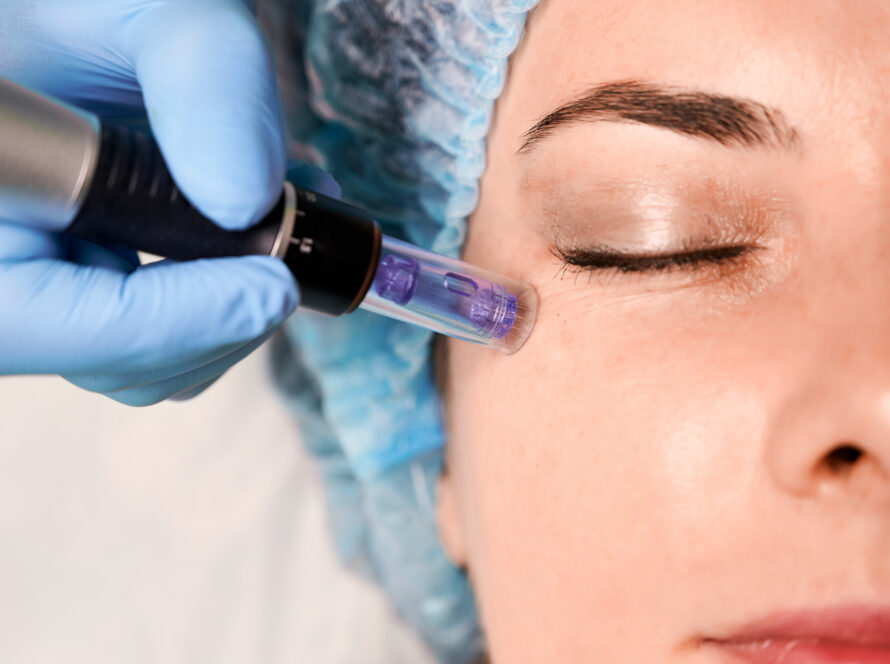

Walking into a medical spa for the first time can feel exciting and uneasy at the same time. A first MedSpa visit often comes with questions that linger in your mind longer than expected. People wonder about safety, results, and how everything actually works.
Preparation removes most of that stress. Knowing what to expect builds trust and confidence. This guide explains MedSpa preparation in a clear and friendly way. Every section speaks directly to real concerns shared by first-time clients. The goal is comfort, clarity, and confidence before stepping inside the clinic.
Understanding What a MedSpa Is
Medical spas blend clinical treatments with comfort-focused care. This section sets the foundation so expectations stay realistic. Many visitors confuse these facilities with day spas. Others assume hospitals run them fully. Understanding the structure helps you ask better questions and make informed choices. This clarity also supports smoother MedSpa consultation conversations.
Difference Between a MedSpa and a Traditional Spa
A medical spa focuses on treatments that affect skin health at a deeper level. Traditional spas center on relaxation and surface care. Procedures like injectables and laser treatments define medical spas. These services require medical oversight.
According to the American Med Spa Association, over 70 percent of MedSpa services involve clinical-grade devices. That statistic explains why preparation matters so much. A first MedSpa visit includes more discussion than a massage appointment. Expect planning instead of pampering alone. This difference shapes the entire experience.
Why Preparation Matters Before Your First MedSpa Visit
Preparation shapes outcomes more than most people realize. Skipping this step leads to confusion or disappointment. Thoughtful planning improves safety and satisfaction. Let’s explain why readiness supports better results and smoother conversations.
Setting Realistic Expectations
Results take time and patience. Social media often shows instant transformations that rarely reflect reality. The American Academy of Dermatology reports that skin treatments usually need multiple sessions. Understanding this is vital as it prevents frustration.
A first MedSpa visit should focus on learning rather than instant change. Clear expectations also improve communication during a MedSpa consultation. Honest discussions create trust and reduce stress.
Ensuring Safety and Best Results
Preparation lowers risks and improves outcomes. Sharing medical history helps providers adjust treatment plans. The National Institutes of Health emphasizes patient disclosure before cosmetic procedures.
Skipping details can lead to complications. MedSpa preparation includes stopping certain products and medications. These steps protect skin integrity. Safety always comes before aesthetics.
Researching the Right MedSpa for Your Needs
Choosing a MedSpa requires more than browsing photos. Research builds confidence before booking. Here are the steps that support informed decisions and smoother experiences.
Checking Credentials and Certifications
Licensing verifies legitimacy. Medical spas must meet state health regulations. The U.S. Food and Drug Administration (FDA) regulates devices used in treatments.
Checking certifications ensures approved equipment and trained staff. A first MedSpa visit feels safer when credentials are visible. This research strengthens trust during a MedSpa consultation. Transparency matters more than decor.
Reading Reviews and Before-and-After Results
Reviews reflect real experiences. Look for detailed feedback rather than star ratings alone. Research and studies show that patient reviews often reveal service consistency.
Before-and-after photos show realistic outcomes. These insights guide MedSpa preparation. They also help align expectations with achievable results.
Questions to Ask Before Booking an Appointment
Prepared questions save time and confusion. Ask about provider experience and treatment risks. Inquire about recovery time and follow-up care.
The Agency for Healthcare Research and Quality (AHRQ) encourages patient engagement through questions. This approach supports a smoother first MedSpa visit. Confidence grows when conversations feel balanced and informed.
How to Prepare Before Your MedSpa Appointment
Preparation starts days before the appointment. Small steps make a noticeable difference. However, there is no rocket science that goes behind it. Below is a detailed explanation of the practical actions that support better outcomes and comfort.
Medical History and Skin Assessment
Providers rely on accurate information. That is why you need to share allergies, medications, and past procedures with them. The Mayo Clinic highlights the role of medical history in cosmetic safety.
This step shapes treatment plans. MedSpa preparation begins with honesty. A detailed skin assessment during the MedSpa consultation ensures treatments suit your needs.
Skincare Products and Medications to Avoid
Certain products increase sensitivity. For instance, retinoids and exfoliants often need pausing. Recommend avoiding any such products before treatments.
Some medications affect healing. Discuss everything openly. This step protects skin and supports smoother recovery after a first MedSpa visit.
Pre-Treatment Guidelines to Follow
Guidelines vary by procedure. Avoid sun exposure before laser treatments. It is best to stay hydrated and arrive with clean skin. You should also be following pre-treatment instructions for optimal results. These steps define effective MedSpa preparation. Keep in mind that consistency improves comfort and outcomes.
Aftercare Tips Following Your MedSpa Visit
Aftercare influences results as much as treatment itself. That is why you need to pay special attention to the aftercare tips for the best results. Here are some important tips that support healing and long-term benefits.
Post-Treatment Care and Recovery
It is important to follow instructions closely. Avoid heat and sun exposure if advised. The Skin Cancer Foundation emphasizes protecting treated skin. Proper care reduces irritation. MedSpa preparation continues after the appointment. Recovery routines matter for lasting results.
When to Schedule Follow-Up Appointments
Follow-ups track progress and adjust plans. Some treatments require multiple sessions. That is it is important for you to have scheduled follow-ups for safety. Planning ahead helps maintain results. A first MedSpa visit often marks the start of a longer journey.
Conclusion
Preparation transforms uncertainty into confidence. A thoughtful first MedSpa visit starts with research, honest communication, and realistic expectations. Each step supports safety and satisfaction. It will ensure that you have the best experience with your first Medspa visit.
MedComplete offers guidance, clarity, and professional support that helps every visit feel informed and comfortable. Build confidence with MedComplete and take the next step with assurance.
Frequently Asked Questions
What should I bring to my first MedSpa visit?
Bring a complete list of medications, supplements, and skincare products you currently use. Previous treatment records and allergy details also help providers plan safely during your first MedSpa visit.
How long does a MedSpa consultation usually take?
Most consultations last between thirty and sixty minutes, depending on the concerns discussed. Time is spent reviewing goals, medical history, and realistic outcomes to support a clear and comfortable MedSpa consultation.
Is downtime required after most MedSpa treatments?
Downtime depends on the procedure, skin sensitivity, and treatment depth. Some services allow immediate return to routine activities, while others require brief recovery periods, explained during MedSpa preparation.
Can I wear makeup to my MedSpa appointment?
Arriving with clean skin allows accurate assessment and treatment planning. If makeup is worn, providers may remove it before evaluation to ensure safety and proper analysis during your visit.
How soon will results appear after treatment?
Some treatments show visible improvement within days, while others develop gradually over several weeks. Providers explain expected timelines clearly so progress aligns with realistic goals discussed earlier.